
Apple Watch OLED: Next-Gen HMO & ALD Display Tech for Battery Life
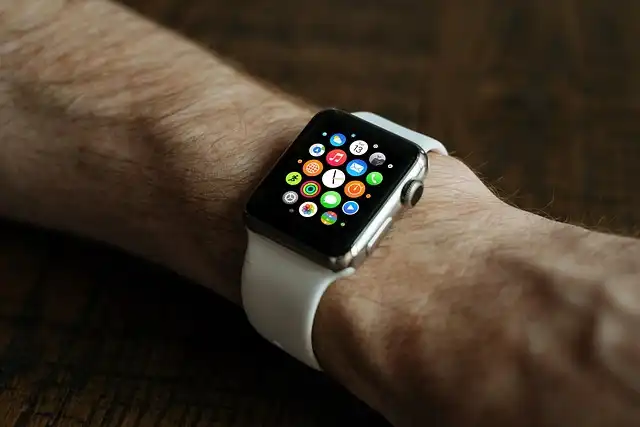
Apple is developing new OLED display technologies for future Apple Watches to significantly boost battery life. LG is working on HMO, while Samsung explores Atomic Layer Deposition (ALD), both aiming for enhanced electron mobility and display efficiency, with a potential 2027-2028 release timeline.
A conversation is a location, where individuals can articulate their point of view, regardless of if it
declares, neutral or adverse. Nonetheless, when publishing, one must remain real to the subject, and not just share some
random ideas, which are not directly pertaining to the matter.
Atomic Layer Deposition Explained
This method relies on a very mindful deposition of thin, atomic-size transistor layers. A fastidiously slow procedure, focused on the very same outcome– better transportation of electrons through the transistor layer.
Apple Watch HMO Display Timeline
The earliest timeline for the fostering of the HMO technology inside the Apple Watch devices is 2027, with some a lot more traditional predictions aiming toward 2028, when a big Apple Watch redesign is expected also.
LG’s HMO Mass Production Hurdles
The Elec explains that the new HMO innovation is still much from the racks. LG requires to verify it for mass production, which is a sluggish process that entails verifying several essential properties of the material, including wheelchair, harmony, integrity, process temperature, and yield.
Samsung Show is the various other large supplier of OLED panels for iPhones, iPads, and Apple Watch devices. LG’s large rival is working with a completely different technology, called atomic layer deposition, or ALD for brief.
His childhood years inquisitiveness for gadgets developed right into an expert passion for innovation, leading him to the function of Editor-in-Chief at PCWorld Bulgaria prior to signing up with PhoneArena. Mariyan’s rate of interests vary from mainstream Android and apple iphone discussions to fringe innovations like graphene batteries and nanotechnology.
Mariyan, a technology enthusiast with a history in Nuclear Physics and Journalism, brings a distinct perspective to PhoneArena. His childhood curiosity for gadgets advanced into a professional enthusiasm for innovation, leading him to the role of Editor-in-Chief at PCWorld Bulgaria before signing up with PhoneArena. Mariyan’s interests vary from mainstream Android and apple iphone discussions to fringe technologies like graphene batteries and nanotechnology. Off-duty, he enjoys playing his electric guitar, practicing Japanese, and reviewing his love for video clip games and Haruki Murakami’s works.
HMO Technology Benefits
HMO is developed to enhance the wheelchair of electrons with the transistor layers of the display screen. When electrons relocate easily and with less resistance, this leads to reduced energy required to make the electrons relocate the starting point, thus a more efficient display screen.
Apparently, Apple is eyeing this modern technology as a follower to the low-temperature polycrystalline oxide, or LTPO– the present screen technology that makes it possible for attributes such as always-on and variable refresh price.
It’s prematurely to state which technology is superior, yet market specialists recommend that Samsung is attempting to control the transistor layers also much better than LG, potentially obtaining a benefit. But we’ll have to wait for the end product from both firms to pass a final reasoning.
Enhancing Smartwatch Battery Life
Smartwatches are already rather advanced, however there’s one location where upgrades are still needed– battery life. According to the most recent report, Apple is servicing the problem from a different angle– a more reliable OLED screen for the future generation Apple Watch.
1 ALD deposition2 AMOLED Display
3 Apple Watch bands
4 battery life
5 Display innovation
6 HMO technology
« Motorola Edge 70 Pro+ Launch Teased for June 4thNadella Rebukes Microsoft Team Over ‘Scout’ AI Addiction Concerns »