
Heart Rate Variability: What It Means & How Wearables Track It
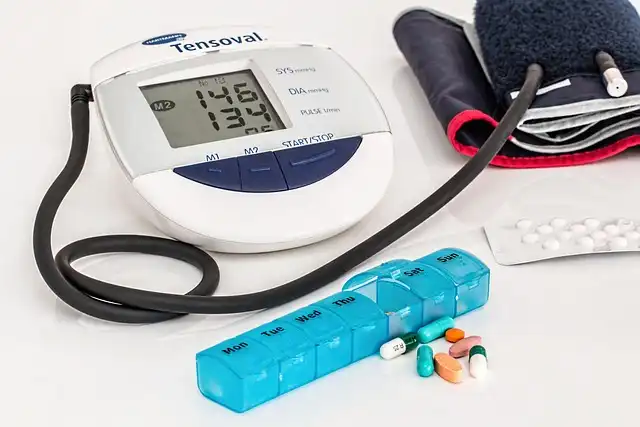
Heart Rate Variability (HRV) reveals stress and recovery, with high HRV suggesting relaxation and low HRV fight-or-flight. Wearable tech tracks HRV, which has no universal benchmark and decreases with age. A steady HRV is ideal for managing stress and recovery.
As a whole, a greater HRV– implying even more variation in the time in between heart beats– generally indicates a kicked back state. Your heart rate and blood pressure slow down, and your body is much better able to manage stress and anxiety and recuperate after workouts or tough days.
Experts state having a regular, “steady” HRV is usually a better objective than simply trying to press the number greater. Working with a physician or expert is the very best method to recognize your HRV and establish exactly how to enhance it, Auerbach noted.
Wearable Technology and HRV Tracking
Over the last few years, countless Americans have integrated wearable health and wellness trackers like smartwatches and Oura rings right into their lives, with research studies revealing that a minimum of 1 in 3 US grownups are actively utilizing them.
If you’re not ready to splurge on an Oura Ring, there are some options. The Milivan slim 2.0 ring is geared up with a sophisticated 5.0 sensor, auto-measures heart price, HRV, blood oxygen, blood pressure and tension every 30 minutes.
While metrics such as blood pressure, rest period and day-to-day action counts know, the rise of wearable modern technology has actually also cast a limelight on a lesser-known information factor: heart rate irregularity, or HRV.
Interpreting HRV for Health Insights
On the flip side, a reduced HRV– much less variation in between beats– can suggest your body is embeded “fight-or-flight” mode. That maintains your heart rate and blood pressure up, and your body remains on high sharp with adrenaline flowing.
To put it simply, what’s common for one person might not be for one more, because there is no universal HRV benchmark. Auerbach directed out that HRV normally decreases with age, usually trending reduced as people get older.
HRV shows the equilibrium between the thoughtful “fight-or-flight” feedback and the parasympathetic “rest-and-digest” reaction, supplying a peek right into your tension degrees and your capability to adjust to pressure.
1 body recovery2 fight-or-flight
3 health tracking
4 Heart Rate Variability
5 stress management
6 wearable technology
« Why Users Stick with Older Apple Apps: Subscription Concerns & Trust IssuesAndroid 16 QPR3 Beta 2: New Adaptive Connectivity Features for Google Pixel »